

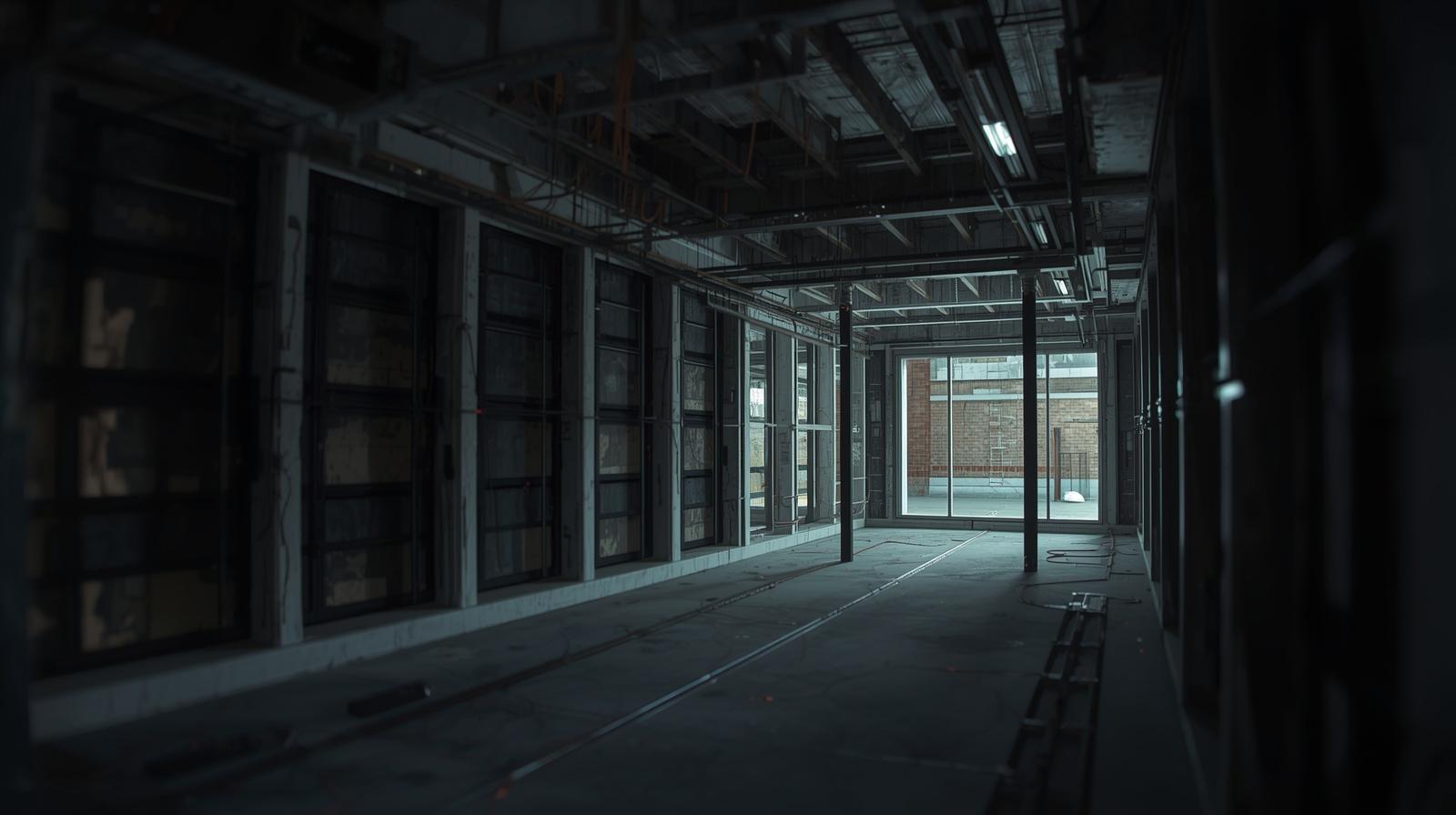
Network modernisation isn’t usually driven by failure. More often, it’s driven by a quiet realisation that what once worked comfortably is now being asked to do far more than it was ever designed for.
Most organisations don’t think about their network very often. It’s simply assumed to be there – supporting systems, connecting people, and keeping the business running. And most of the time, that assumption holds true. The challenge is that while the business evolves, the house sitting on top of the network changes, often dramatically.
How incremental change quietly reshapes the house
Over time, organisations introduce new systems, adopt cloud platforms, layer in additional security controls, and support new ways of working. Each change is sensible in isolation.
In construction terms, it’s like extending a house room by room. A wall comes down here. Wiring gets extended there. A new storey is added because the family has grown. The foundations may still be sound. But unless someone steps back, it’s difficult to know whether the structure has kept pace with what the house now needs to support. This is where network modernisation becomes relevant, not because something is broken, but because the environment has changed.
When “still working” hides growing strain
What makes network complexity difficult to spot is that day‑to‑day operations continue. Systems connect. Applications perform well enough. Users log in and get on with their jobs. Yet underneath the surface, accumulated layers start to matter:
- Network designs that no longer reflect how the organisation operates
- Infrastructure approaching end of life but carrying more critical workloads
- Configuration decisions made years apart, now overlapping
- Assumptions about resilience or capacity that haven’t been revisited
Nothing fails outright, but the margin for error quietly shrinks. This is often where organisations feel friction before they see fault.
Network modernisation is about clarity, not replacement
A common misconception is that network modernisation means ripping everything out and starting again. In reality, it’s far more measured than that. At its core, network modernisation is about understanding:
- What’s still fit for purpose
- What has accumulated through necessity rather than design
- Where risk or constraint has formed unintentionally
It creates clarity, not urgency for the sake of it. That clarity becomes critical when organisations attempt to “renovate”, migrating key systems, enabling automation, improving resilience, or scaling operations. These initiatives expose weaknesses.
Recce your house before your next renovation
As organisations pursue growth, transformation and smarter use of technology, the load placed on networks continues to increase. Without deliberate review, complexity compounds. This is why network modernisation is best approached proactively.
Our Connect team works with organisations to step back and review how their network and connectivity layer has evolved over time. A focused assessment helps identify where design drift, ageing infrastructure or layered workarounds may be introducing unseen exposure. And where the house is still structurally sound.
Not every wall needs to move. Not every wire needs replacing. But confident decisions are only possible when the structure is clearly understood. Because when the house is properly supported, everything that happens inside it becomes easier, safer and far more sustainable.
